
BONANOVA PROJECT
Feng Shui Strategy meets Contemporary Design
The Project
A 150m² sea view apartment in Bonanova, Palma, transformed through strategic Feng Shui consultation in collaboration with a multidisciplinary design team.
Objective:
Prepare for sale in Palma's premium market.
MY CONTRIBUTION
The Strategic Layer
I was engaged to provide Classical Feng Shui consultation for this renovation project. While the design direction was already underway, my role was to bring an energetic perspective that could enhance and inform the team’s creative choices.
I conducted a thorough analysis of the property—studying orientation, mapping energy flow, and developing room-by-room recommendations on layout, palette, and spatial arrangements.
HOW I DO IT
Energy Mapping
Precise magnetic orientation, Flying Stars analysis and Bagua overlay to identify optimal functions for each area.
Space Diagnosis
Identifying areas with favorable energy to activate, sectors with challenging energy to neutralize, and flow optimization from entrance through living spaces.
Optimal functions for each area
Translating energetic analysis into practical recommendations: color palettes based on Five Elements, suggested forms and materials, optimal furniture placement.
Strategic Decisions in Action
Three examples of how Feng Shui analysis translated into concrete design choices throughout this project.
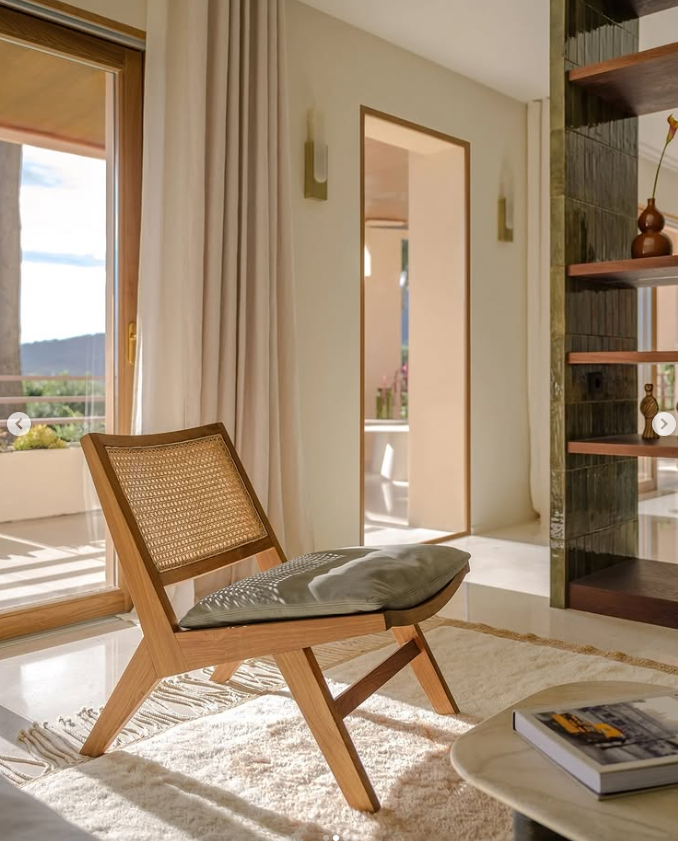
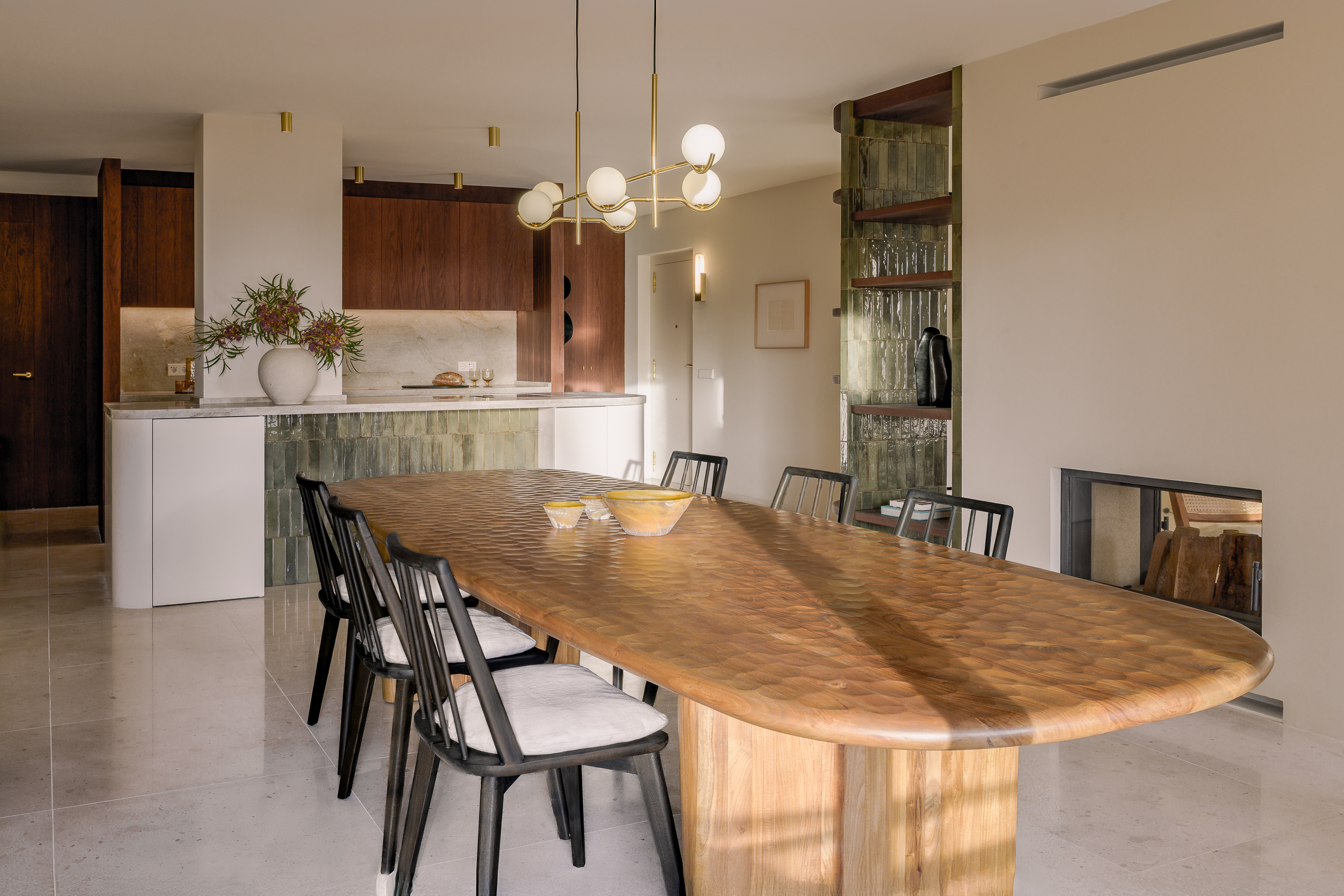
Living Room Why This Layout
THE QUESTION:
"The living room is flooded with southern light. We're torn between warm earth tones and cooler neutrals—what makes more sense for this orientation?"
THE FENG SHUI ANALYSIS
– Living room facing South → Maximum Fire energy (visibility, social interaction)
– Star 5 present → Requires balancing with Metal element
– Goal: Create appeal for potential buyers without overwhelming
THE RECOMMENDATION
Neutral palette balanced with Metal elements (grays, circular forms). Avoid reds/oranges that would amplify Fire. Oval table (not rectangular) to favor conversation flow.
THE RESULT
A space that appears simply well-designed — but is also energetically optimized for long conversations, visual openness, and absence of subconscious tension points.
Master Bedroom
THE QUESTION:
"Can this room be the master or better suited as a guest room?"
THE FENG SHUI ANALYSIS
– West sector → Metal energy (authority, deep rest, introspection)
– Star combination favorable for decision-makers
– Yin energy (setting sun) perfect for sleep
THE RECOMMENDATION
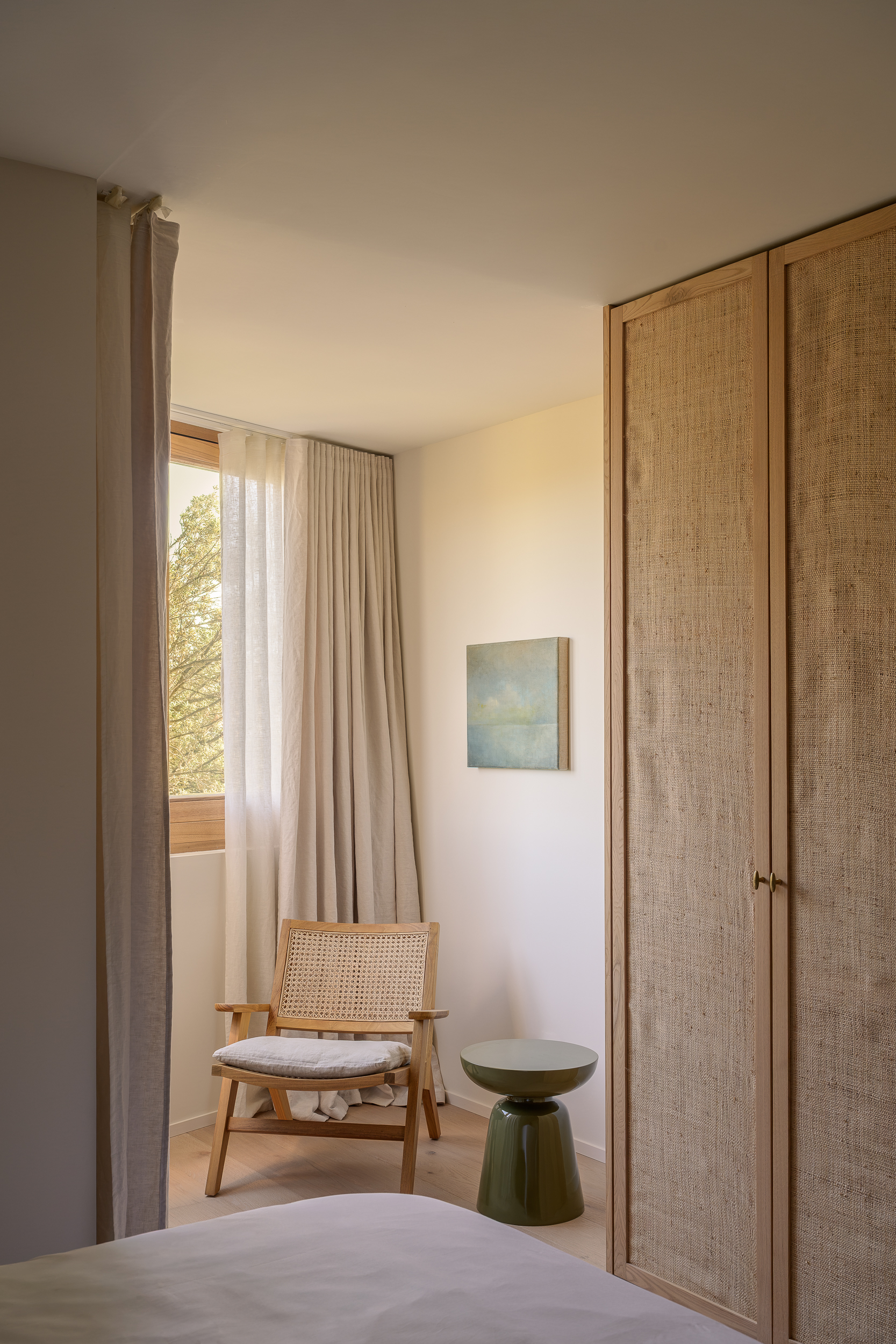
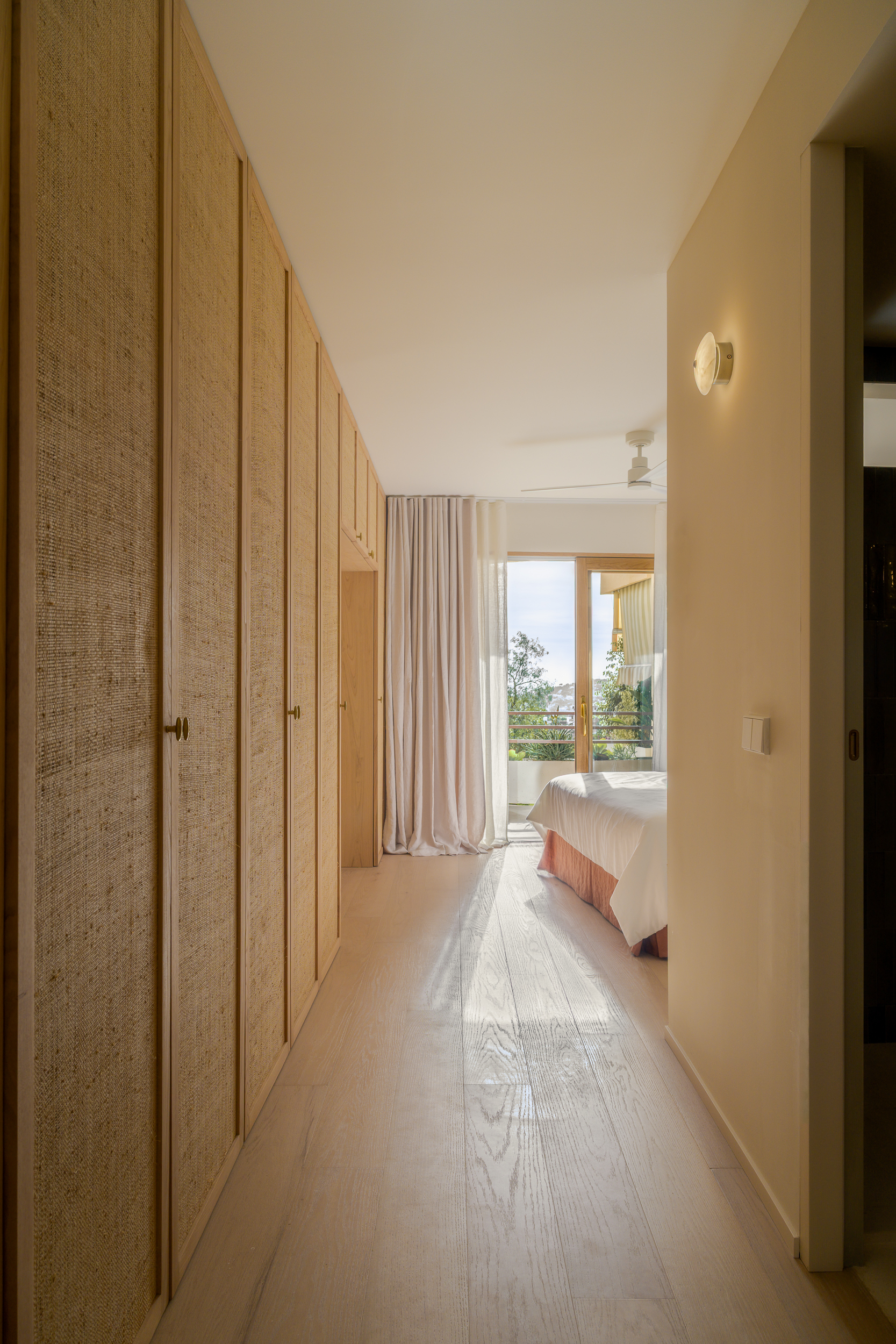
Master bedroom. Cool palette (grays, blues). Soft forms. Natural materials. Bed in command position capturing favorable Star.
THE RESULT
A space that promotes not just sleep, but restorative rest and mental clarity — energetically aligned with its purpose.
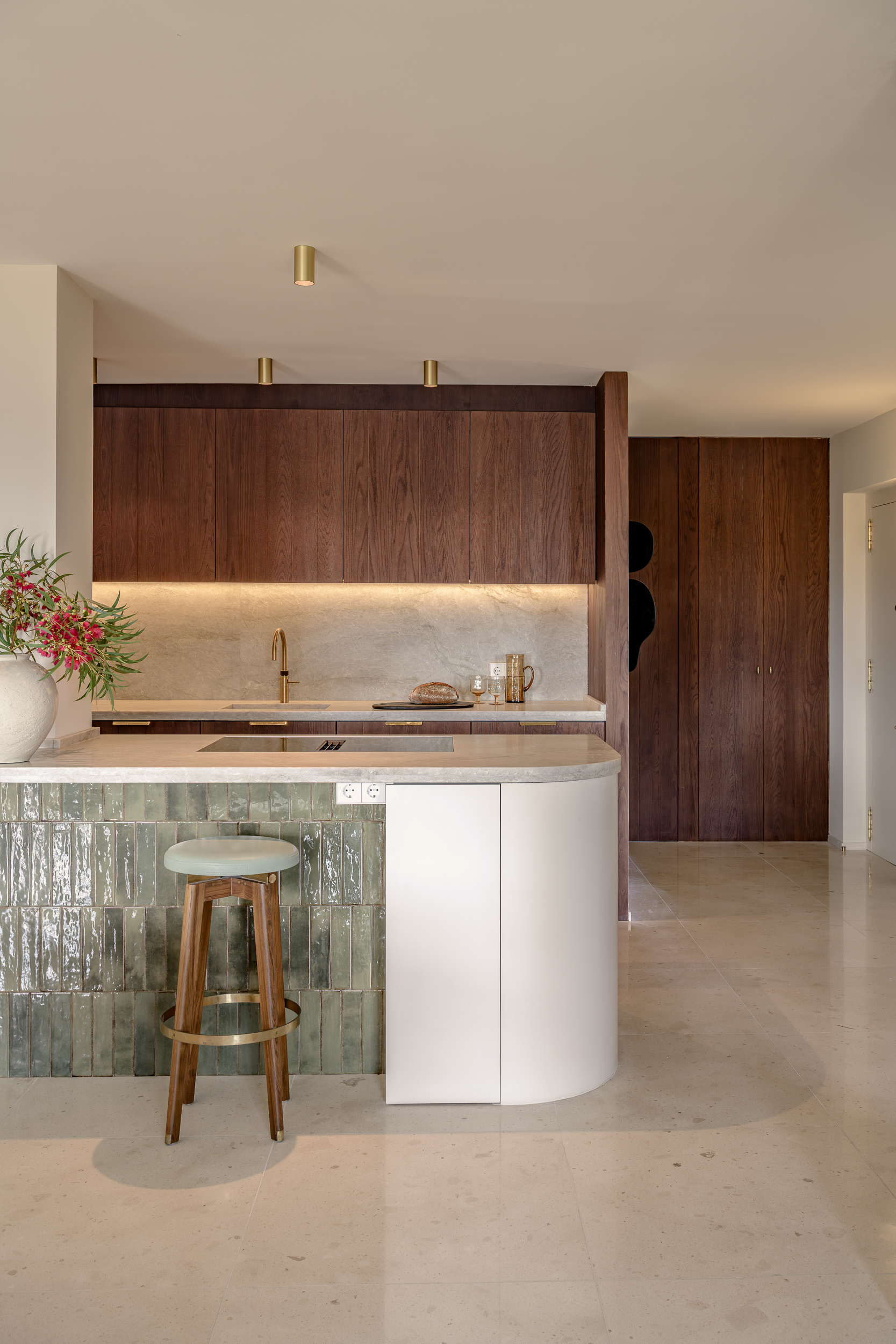
Kitchen
THE QUESTION:
"The kitchen connects to multiple zones—entrance, living, dining. What's the best layout to avoid a cluttered feeling?"
THE FENG SHUI ANALYSIS
– Located in the center of the home where 8 energies converge
– Multiple elements naturally present: Fire (stove), Water (sink), Metal (appliances)
– High-activity yang space requiring careful balance
– Goal: Create functional flow without energetic conflict
THE RECOMMENDATION
Subtle integration of Metal and Water elements to harmonize the natural energetic variety. Neutral palette with metallic accents. Clean lines and circular forms to soften yang intensity.
THE RESULT
A kitchen that functions beautifully on a practical level — and maintains energetic equilibrium despite being the most element-diverse space in the home. No single energy dominates; all coexist in balanced proportion
Lesson Learned
For me
"Collaborate from the beginning, not as a "fix" after design is complete. Speak the language of design, not just classical terminology. Provide actionable recommendations, not philosophical principles".
For Interior Designers
"Feng Shui can be a strategic ally. Having a rationale for choices elevates your work. Premium clients appreciate the intention behind the beauty."
For Developers
"Applied Feng Shui is differentiating marketing. "Every detail energetically optimized" is a selling point. It's not an expense — it's an investment in perceived value."
Interior Design: Interior Design: Only&Co.
Project Developer: Mar Monte
Architect: Jaime Company Ventura
Photographer: Michael Daiminger
Art: Constanze Waeger
Feng Shui: Rosanna Deflorian
WORK WITH ME
Whether you're a design professional or a homeowner — let's explore how Feng Shui can elevate your project.
Common Questions
FAQ
What exactly did you do in this project?
I conducted a comprehensive Classical Feng Shui analysis including:
– Measured precise magnetic orientation and studied the property’s construction history
– Analyzed all doors and windows (Qi entry points)
– Applied multiple classical schools: Flying Stars, Eight Mansions, Form School, Five Elements
– Created a detailed energy map identifying favorable and challenging sectors
– Provided room-by-room recommendations to neutralize difficult energies and activate beneficial ones.
Is this the Western Feng shui version?
It’s not about:
❌ Lucky bamboo plants
❌ Wealth corners with gold coins
❌ “Feng Shui decorating tips”
It IS about:
✓ Precise magnetic measurements
✓ Mathematical star calculations
✓ Energy flow optimization
✓ Strategic spatial psychology
Does Feng Shui limit the designer's creativity?
Not at all. It provides a strategic framework, not creative constraints.
Here’s how it worked on this project:
Without Feng Shui:
“I think the sofa should go here because it looks nice.”
With Feng Shui:
“The sofa should go here because: (1) it looks nice, (2) this placement captures favorable energy (Star 8), (3) it creates optimal flow, and (4) it avoids subconscious tension points.”
The designer still made all aesthetic choices. I provided the energetic rationale that elevated those choices from subjective preference to strategic decision.
Premium clients appreciate this level of intentionality.
What's the ROI for including Feng Shui in a project?
For Homeowners:
Potentially life-changing. You spend 12+ hours daily in your home. An energetically harmonized environment influences sleep, focus, mood, relationships — everything. The cumulative effect over years is profound.
For Developers/Investors:
Market differentiation. “Feng Shui optimized” justifies premium pricing and attracts discerning buyers.
For Designers:
Strategic rationale for every choice. Better client presentations, fewer revision cycles.
Can you do this remotely or only in-person?
Both — though the process differs slightly.
What information do you need to start a project?
I need:
– Precise property address
– Accurate floor plan with measurements
– Construction completion date
– Current photos of each room
– Site plan showing surrounding buildings/landscape
– Existing color/material samples if renovation
– Specific goals (e.g., “preparing for sale” vs “optimizing for family living”)