Feng Shui for the Modern Office: Boost Team Focus, Well-being & Cash Flow
The office has undergone a revolution. It’s no longer just a cost center or a simple place of work; it’s a core strategic asset for talent retention, innovation, and culture.
But as we embrace hybrid models and digital tools, we often overlook a fundamental layer: the energy of the space itself. Why do some offices hum with productive focus while others feel stagnant and politically tense?
The ancient art of Classical Feng Shui provides a powerful, systematic framework to answer this. It’s not about superstition or quirky decor—it’s the science of aligning a physical environment with the natural flow of energy (Chi) to support specific human outcomes: clarity, collaboration, and sustainable growth.
As a Feng Shui consultant specializing in commercial spaces, I help conscious leaders move from intuitive guesses to actionable energetic strategy.
The 3 Pillars of High-Performance Feng Shui for Business
1. The CEO's Desk: Command Position & Strategic Alignment
Your desk isn’t just a piece of furniture; it’s the “command center” of your business energy.
-
The Mistake: Sitting with your back to the door or a window, or crammed into a corner. This creates subconscious vulnerability, distraction, and a constant feeling of being “on the back foot.”
-
The Feng Shui Principle: The “Command Position.” Place your desk so you have a solid wall behind you (symbolizing support) and a clear, panoramic view of the room entrance (symbolizing opportunity and awareness).
-
The Business Impact: This position cultivates leadership presence, decisiveness, and the ability to see opportunities clearly. It’s the foundation for confident leadership.
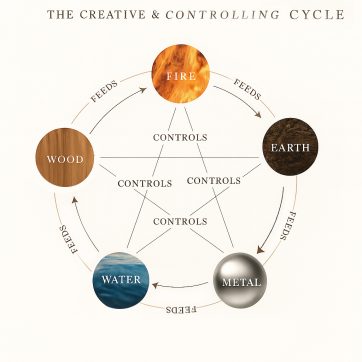
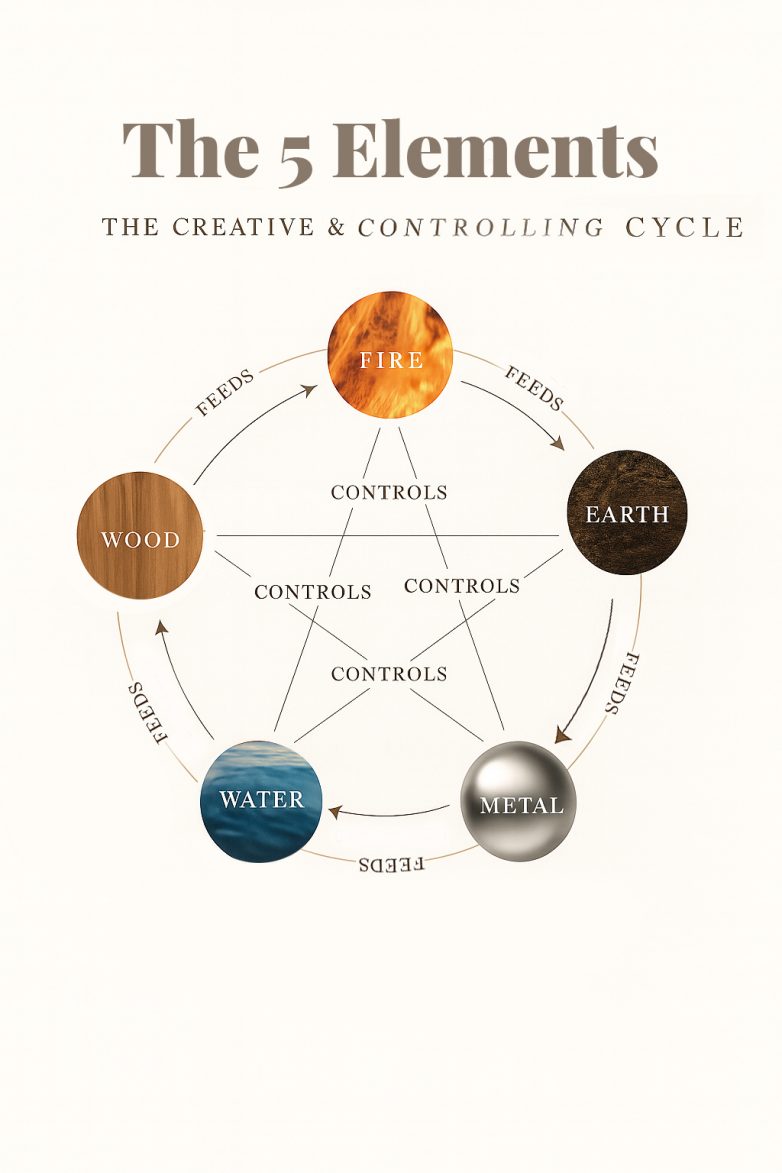
2. Beyond Layout: The 5 Elements for Team Dynamics & Departmental Health
While layout is crucial, the deeper layer of office Feng Shui lies in understanding the inherent, permanent energy of each sector of your space. The goal is to position each department in a sector whose permanent elemental energy naturally supports its function.
This is strategic alignment, not decoration. Here’s how the core business functions align with the Five Elements:
-
Sales & Social Media (Fire): These roles require the visibility and spark of Fire to attract attention. Positioning them in a sector with strong Fire energy fuels their competitive edge and converts activity into results.
-
Finance & Executive Leadership (Metal): Finance requires the structure, focus, and integrity of Metal. Executive decision-making benefits from the same clear, cutting energy. Placing these functions in a Metal-dominant sector supports accuracy, control, and decisive leadership.
-
Accounting, HR, & Storage (Earth): These are the stabilizing, supportive, and “nourishing” functions of a business. They thrive on the grounding, patient, and systematic energy of Earth. An Earth-sector location promotes stability, trust, and seamless operational support.
-
Creative, R&D & Product Development (Wood): Innovation and growth are the domain of the Wood element. Positioning creative teams in a Wood-sector area fosters expansion, new ideas, flexibility, and the organic growth of projects from concept to reality.
-
Communication, Public Relations, Market Research & Mailing (Water): These functions rely on flow, connection, and deep insight—the core qualities of Water. A Water-sector location helps information circulate smoothly, messages reach their audience, and research penetrate below the surface.
The Critical Takeaway: You don’t add a Fire item to the sales department. First, you diagnose which sector of your office already has favorable Fire or Metal energy in its permanent chart. Then, you place your sales team there. The space itself becomes an active ally to their goals.
For a deep understanding of how these elements function and interact, read our complete guide to the 5 Feng Shui Elements.